
How to Get Admission to International Universities: A Step-by-Step Guide
The How to Get Admission to International Universities is one of the most generous fully funded awards for international students. Getting into a university abroad looks complicated from the outside. Every country has its own system, every university sets its own rules, and the deadlines all fall at different times of the year. The good news is that the process follows the same basic shape everywhere: choose where to apply, check what each university asks for, prepare your documents, submit on time, and sort out funding and a visa.
This guide walks you through that process step by step, with real systems and real dates for the United States, the United Kingdom, and Germany, plus the rules that apply almost everywhere. Start 12 to 18 months before you plan to travel. EducationUSA, the U.S. Department of State advising network, advises students to begin about 12 to 18 months before departure, and that timeline works for every destination, not just the United States.
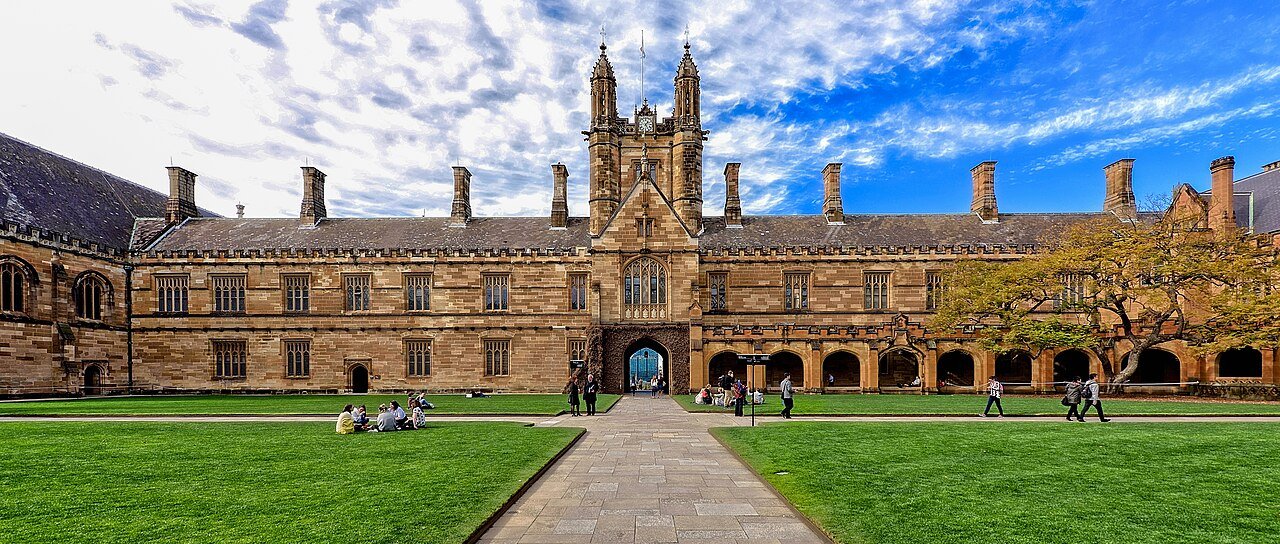
How to Get Admission to International Universities At a Glance
- Start: 12 to 18 months before your planned start date.
- USA: Common App covers 1,200+ colleges for 2026-27, up to 20 colleges per account, opens August 1 each year.
- UK: UCAS handles almost all undergraduate applications; for 2027 entry the main deadline is 13 January 2027 at 18:00 UK time.
- Germany: Apply through uni-assist or directly to the university; winter semester deadlines are usually around 15 July.
- Documents: Transcripts, certificates, recommendations, a statement of purpose, test scores, and a passport.
- Rule: Every university sets its own requirements. Check each program page, not just the country guide.
How to Get Admission to International Universities The Big Picture: Five Steps
EducationUSA breaks the journey into five steps, and they work as a map for any country:
- Research your options. Compare countries, universities, and programs.
- Finance your studies. Work out the full cost and where the money will come from.
- Complete your application. Gather documents, write your essays, and submit before the deadline.
- Apply for your student visa. Only after you hold an offer and the documents your embassy asks for.
- Prepare for departure. Housing, insurance, travel, and orientation.
The rest of this guide follows the same order, with the detail you need at each step.
Step 1: Choose Your Countries and Universities
Start with the program, not the ranking. A famous university with the wrong course is a worse choice than a lesser-known university with the right one. For each country on your list, ask four questions:
- Does it teach what I want to study? Search official program databases. Germany’s DAAD database lists international programs, including English-taught courses. UCAS has a course search tool for UK undergraduate degrees. For the United States, EducationUSA advising centers and the College Board search help you compare programs.
- What does it cost? Tuition, living costs, and health insurance vary widely between countries and between cities in the same country. Public universities in Germany charge little or no tuition for many programs, while the United States and the United Kingdom charge much more. Check the university’s own fees page for the exact figure.
- What language do I need? Many programs in Europe are taught in English, but not all. Check the language of instruction on the program page, and check the language test it asks for.
- What happens after graduation? Some countries let graduates stay and work for a period after their degree. The rules change often, so check the current immigration rules on the official government site for that country.
Write down your answers in a simple table: country, university, program, tuition, deadline, language, and one reason you want to go there. That table becomes your plan.
Step 2: Build a Balanced List
Do not apply only to famous universities. Build a list with three groups:
- Reach: Two or three universities where admission is very competitive and your grades sit near the lower end of what they accept.
- Match: Three or four universities where your grades and profile sit comfortably in the middle of what they accept.
- Likely: Two or three universities where your profile is strong and admission is probable.
Most students end up with 5 to 10 universities on their list. That number is manageable: you can write a good application for each one without burning out, and you still have options if your first choices say no. Applying to 20 universities does not double your chances. It divides your attention, and panels can tell when an application was written in a hurry.
Check the entry requirements for every university on your list before you commit to it. If a university asks for a subject you did not study, or a test you cannot take in time, remove it and replace it with a better fit.
Step 3: Check the Entry Requirements
Universities admit students whose previous education matches their own system. That match is checked differently in each country.
- School certificates: Your high school diploma or bachelor’s degree must give you access to the level you want to study. In Germany, foreign qualifications are compared with the German equivalent using anabin, the official database of foreign qualifications. If your school certificate alone is not enough, you may need a preparatory year, called a Studienkolleg, before starting a bachelor’s degree.
- Grades: Some programs ask for a minimum grade or GPA. Others look at your whole profile. There is no single grade that works everywhere, so check each program page.
- Subject requirements: A master’s in engineering usually asks for a bachelor’s in a related field. A master’s in public health may accept several backgrounds. Read the requirements, not just the title.
- Special certificates: Applicants from China, Vietnam, and some other countries must obtain an APS certificate, which checks the authenticity of their school and university documents, before applying to German universities. Check the official source for your country to see whether this applies to you.
Step 4: Prepare Your Documents
Start gathering documents early. Some take weeks to arrive, and translations take time. Keep one folder, physical or digital, with everything in it.
Documents almost every application asks for
- Transcripts and certificates: Official records of your school and university results. Send certified copies, not originals, unless the university asks for originals. If your documents are not in English or in the language of instruction, get a certified translation.
- Passport: Check that it is valid for at least six months beyond your planned travel date, and renew it early if it is not.
- Recommendation letters: Usually one to three, from teachers or employers who know your work well. Ask them at least a month before the deadline, and give them your CV, your goals, and the deadline in writing. A detailed letter from a teacher who knows you beats a vague letter from a famous name.
- Statement of purpose or personal statement: One to two pages explaining why you want this program, what you have done so far, and what you plan to do next. Write a fresh version for each university. Panels notice when an essay names the wrong university.
- CV or resume: Keep it to one or two pages. Education, work, projects, skills, and languages. No photos unless the university asks for one.
- Test scores: IELTS, TOEFL, GRE, GMAT, or SAT, depending on the program. Send scores through the official test service, not as a screenshot.
- Proof of funds: Some universities and most embassies ask for bank statements or a scholarship letter before they issue an offer or a visa. Check what your destination asks for.
Scan everything clearly and save files with plain names, such as “transcript-bachelors.pdf”. A blurry scan or a file named “scan001.jpg” slows down everyone who handles your application.
Step 5: English and Other Tests
Most programs taught in English ask for proof of English. The two tests used most widely are IELTS and TOEFL. Some programs accept other tests, and some waive the requirement if you studied in English before. The required score is set by each university and each program, so there is no single score that works everywhere. Check the program page and aim above the minimum, not exactly at it.
Other tests depend on the field and the country:
- GRE: Asked for by some graduate programs, mainly in the United States. Many programs have dropped it, so check before you pay for it.
- GMAT: Used by many business schools for MBA and management programs.
- SAT or ACT: Used by some United States undergraduate programs. Many universities are now test-optional, which means you can apply without a score. Check each university’s policy.
- German language tests: TestDaF or DSH for programs taught in German.
Book your test early. Test centers fill up, results take one to three weeks, and a low score means booking a second test. Give yourself at least two months between the test and your earliest application deadline.
Step 6: Apply Through the Right System
There is no single global application. Each country runs its own system, and some universities run their own as well. Here are the three systems most international students use.
United States: The Common App
The Common Application is one online form that you fill out once and send to any of its member colleges. For the 2026-27 cycle it has more than 1,200 member colleges, and you can apply to up to 20 colleges per account. The application opens on August 1 each year. You enter your details once, write one personal essay capped at 650 words, and add each college’s own extra questions.
Not every university uses it. MIT, all nine University of California campuses, and UT Austin run their own applications, so check each university’s admissions page before you assume the Common App will work. The Common App itself is free, but each college charges its own application fee, usually between $30 and $75. Fee waivers are available for students who qualify, so check the waiver rules on the Common App site.
United Kingdom: UCAS
Almost all full-time undergraduate applications to UK universities go through UCAS, the Universities and Colleges Admissions Service. You submit one application with up to five course choices, plus a personal statement and an academic reference.
For courses starting in 2027, the official UCAS dates are: applications open on 12 May 2026, completed applications can be submitted from 1 September 2026, the deadline for Oxford, Cambridge, and most medicine, dentistry, and veterinary courses is 15 October 2026 at 18:00 UK time, the equal consideration deadline for most undergraduate courses is 13 January 2027 at 18:00 UK time, and the final date for applications is 30 June 2027. Applications sent by the equal consideration deadline are assessed alongside each other. Applications sent after it may still be considered, but universities do not have to consider them.
From September 2025, UCAS replaced the traditional personal statement with a new three-question format for students entering university in autumn 2026 and beyond. Check the current UCAS guidance for the exact questions. Postgraduate applications in the UK work differently: you apply directly to each university, and each one sets its own deadline.
UCAS charges an application fee. The fee changes from year to year, so check the current fee on the UCAS website before you apply.
Germany: uni-assist or Direct Application
In Germany you apply either directly to the university, usually through its own portal, or through uni-assist, the central application service for international students. About 170 universities use uni-assist for some or all programs, so check the program page to see which route your university uses. Uni-assist checks your documents and forwards complete applications to the universities. It does not make admission decisions. The university decides.
Uni-assist charges a handling fee of 75 euros for the first program and 30 euros for each additional program in the same semester. Check the current fee on the uni-assist website before you pay, since fees can change. Uni-assist usually takes four to six weeks to process an application, so submit well before the university’s deadline. Application deadlines for the winter semester are usually around 15 July, and for the summer semester around 15 January, but each program sets its own date, so check the program page.
Some universities ask for a preliminary review document, called a VPD, from uni-assist instead of a full application. In that case uni-assist checks your documents and issues the VPD, and you upload it to the university’s own portal yourself before the deadline.
Other Countries
Canada, Australia, France, the Netherlands, and most other destinations ask you to apply directly on each university’s own admissions portal. The steps are the same: create an account, upload documents, pay the fee if there is one, and track the decision. Each university sets its own deadlines, so build your own calendar and check each program page.
Step 7: Paying for It
Money decides more applications than grades do, so plan it early. Add up the full cost, not just tuition: housing, food, transport, health insurance, books, visa fees, and flights. Then look for funding in this order:
- Scholarships from the university itself. Many universities offer merit scholarships or tuition waivers. Check the funding page of each university on your list.
- Government scholarships. Programs like Chevening, Fulbright, DAAD, Australia Awards, and MEXT fund full degrees for international students. Each has its own deadline, often a year before the course starts.
- External scholarships and grants. Foundations, companies, and international organizations fund students in specific fields or countries.
- Part-time work and assistantships. Some countries let international students work a limited number of hours. Graduate assistantships in the United States can cover tuition and pay a stipend, but they are competitive.
- Family savings and loans. Be honest about what you can afford. Starting a degree you cannot finish is worse than waiting a year.
For Germany, non-EU students must show proof of funds for the student visa, usually in a blocked account. The required amount changes from time to time, so check the current figure on the German embassy website or the DAAD pages before you open the account. Never pay an agent who promises admission or a visa for a fee. Universities and embassies do not work through paid agents, and anyone asking for money to secure your place is running a scam.
Step 8: After You Get an Offer
An offer is not the end of the process. It is the start of the final stretch.
- Read the offer carefully. Check whether it is conditional or unconditional. A conditional offer asks you to meet a condition, such as a final grade or an English score, before it becomes firm.
- Accept by the deadline. Some universities ask for a deposit to hold your place. Check the amount, the deadline, and whether it is refundable.
- Apply for your visa. For the United States, you need the I-20 form from your university, then you pay the SEVIS fee, complete the DS-160 form, and book a visa interview at the embassy. Book early, since interview slots fill up. For other countries, follow the embassy checklist for your destination.
- Arrange housing and insurance. University housing is limited and goes fast. Apply as soon as you accept the offer. Check whether health insurance is included in your fees or must be bought separately.
- Prepare for departure. Book flights, pack your documents in your hand luggage, and attend the pre-departure orientation if your university or an advising center offers one.
Common Mistakes to Avoid
- Missing deadlines. Write every deadline in one calendar with reminders two weeks and two days before each one. UCAS and uni-assist deadlines are fixed. Late applications are often not considered at all.
- Using one essay for every university. Panels can tell when an essay was written for someone else. Change the details, not just the university name.
- Applying only to famous names. Famous universities reject most applicants. A balanced list gives you real options.
- Ignoring your email. Offers, interview invitations, and document requests arrive by email. Check your inbox and spam folder every day during application season.
- Submitting fake or edited documents. Universities verify documents, and a fake document ends your application and can bar you from applying again.
- Leaving funding to the last minute. Scholarship deadlines often fall months before university deadlines. If you start funding research after you apply, you may already be too late.
- Trusting agents over official sources. Check every fact on the university’s own website or the official system, such as UCAS, uni-assist, or EducationUSA. If an agent’s claim does not match the official page, trust the official page.
A Realistic Timeline for Autumn Entry
This is an example timeline for starting a degree in September or October. Move it earlier or later to fit your destination, and always check the real deadlines on each program page.
- 18 to 12 months before: Research countries and programs. Shortlist 5 to 10 universities. Check entry requirements and funding options.
- 12 to 9 months before: Take your English or other tests. Ask for recommendation letters. Start your statement of purpose.
- 9 to 6 months before: Gather and translate documents. Write and revise your essays. Apply for scholarships with early deadlines.
- 6 to 3 months before: Submit university applications. For UCAS 2027 entry, that means submitting by 13 January 2027 for most courses, and by 15 October 2026 for Oxford, Cambridge, and most medicine, dentistry, and veterinary courses.
- 3 to 1 month before: Receive offers, accept one, pay any deposit, and apply for your visa.
- Final weeks: Arrange housing and insurance, book flights, and attend orientation.
Frequently Asked Questions (FAQs)
When should I start applying to universities abroad?
Start 12 to 18 months before you plan to travel. That gives you time to research, take tests, gather documents, and meet scholarship deadlines, which often fall months before university deadlines.
How many universities should I apply to?
Most students apply to 5 to 10 universities: a mix of reach, match, and likely choices. Fewer than five leaves you with little backup. More than ten spreads your effort too thin and raises your costs, since most applications carry a fee.
Do I need IELTS or TOEFL for every country?
No. You need proof of English only if your program is taught in English and the university asks for it. The required test and score differ by university and program. Some programs waive the test if you studied in English before. Check each program page.
Can I apply to universities in several countries at once?
Yes. Many students apply to the United States, the United Kingdom, and Germany in the same year. It takes more work, since each system has its own forms and deadlines, but it gives you more options. Keep one calendar so no deadline slips past you.
What if my grades are not high enough for my first choice?
Apply to a balanced list, and consider programs that weigh your whole profile, including work experience, projects, and recommendations. Some universities offer foundation or preparatory programs. A strong statement of purpose and good recommendations can matter as much as grades at many universities.
How much does it cost to apply?
It varies. The Common App itself is free, but each United States college charges its own fee, usually $30 to $75. UCAS charges an application fee that changes each year. Uni-assist charges 75 euros for the first program and 30 euros for each additional program in the same semester. Add test fees and document translation costs. Check the current fee on each official site before you pay.
Sources
- UCAS: Dates and Deadlines for Uni Applications (official)
- EducationUSA: Your 5 Steps to U.S. Study (official)
- uni-assist: Application Service for International Students (official)
- DAAD Pakistan: Getting Started (official)
Deadlines, fees, and requirements change every cycle. Always confirm the current details on the official page for the university and program you are applying to.
Related Scholarships
These fully funded scholarships may also be worth a look.